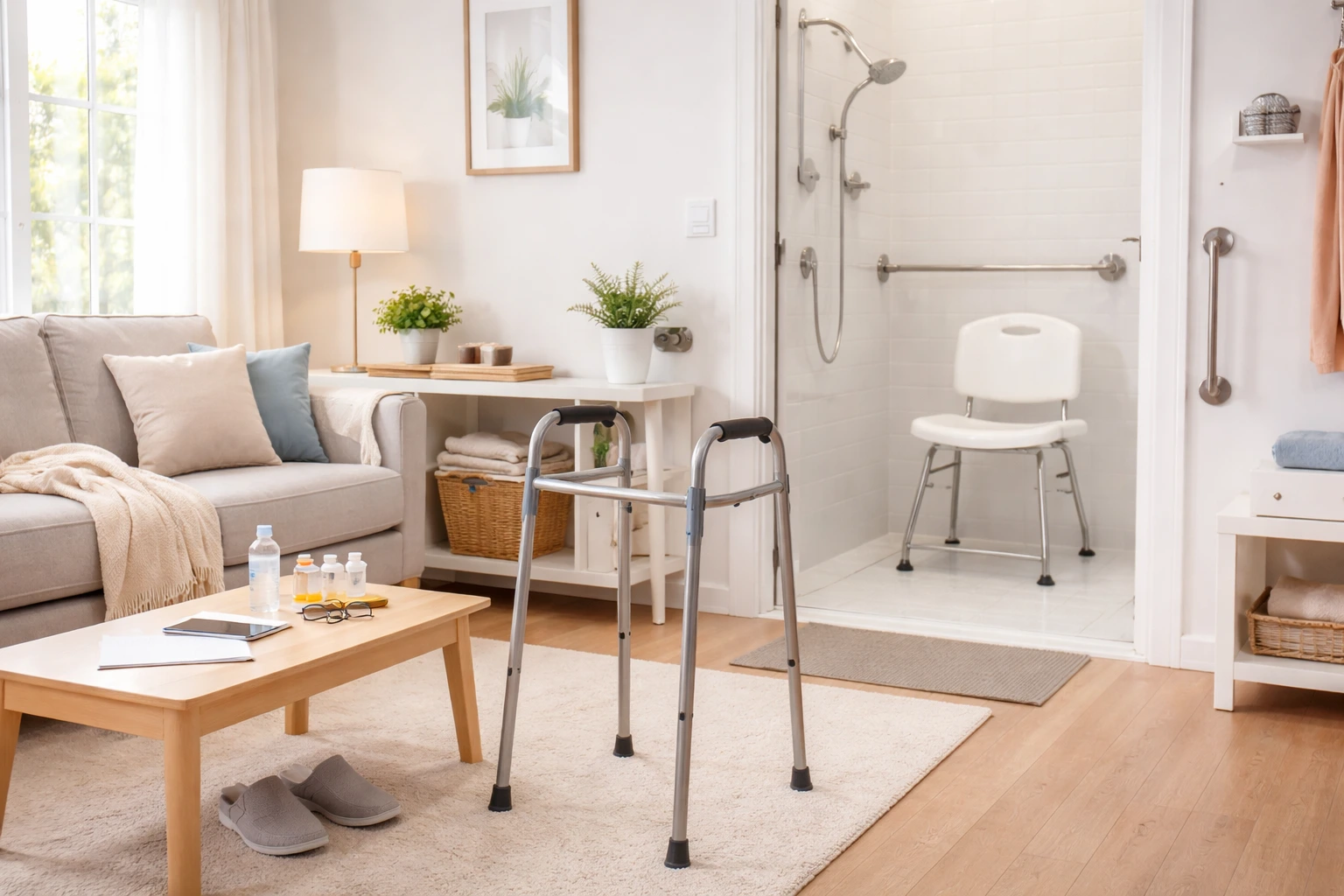
How to Prepare Your Home for Joint Replacement Recovery
Published by Dr Oliver Khoo at Monday, February 16, 2026


Recovering from joint replacement surgery — whether hip, knee, or shoulder — is a major milestone. While your surgical team will guide you through the medical side of recovery, your home environment plays a critical role in how smooth, safe, and comfortable the healing process will be. Preparing your home in advance can reduce the risk of falls, ease daily movement, and help you regain independence sooner.
This guide walks you through the essential steps to prepare your home for joint replacement recovery, including a practical safety checklist, mobility aids to consider, bathroom modifications, and ways to build a reliable support system.
The first few weeks after joint replacement are focused on healing and gradual mobility. During this time, simple tasks like getting out of bed, walking to the kitchen, or using the bathroom can feel unexpectedly challenging. A well-prepared home removes unnecessary obstacles and helps you conserve energy for recovery and physiotherapy.
More importantly, falls are one of the most common risks during post-surgical recovery. Many of these accidents occur at home and are preventable with thoughtful preparation. Making small adjustments before surgery can significantly improve your safety and confidence when you return home.
Before your operation, take time to walk through your home and identify potential hazards. Focus on reducing fall risks and making frequently used areas easily accessible.
If possible, complete these changes at least a week before surgery so you can make adjustments without rushing.
Mobility aids are essential tools that support safe movement during recovery. Your surgeon or physiotherapist may recommend specific equipment based on the joint involved and your general mobility level.
Common mobility aids include:
Practising with your mobility aid before surgery can help you feel more confident when you return home. If you’re unsure what to use, arrange a pre-surgery physiotherapy consultation.
Bathrooms are one of the highest-risk areas for slips and falls, making proper setup essential. Moisture, tight spaces, and awkward movements can make everyday tasks more difficult after joint surgery.
Consider the following adjustments:
If permanent installations aren’t possible, temporary suction grab rails and portable shower chairs can still provide meaningful support.
Creating a designated recovery area can make daily living more manageable. Ideally, this space should minimise the need for excessive movement while still allowing independence.
Your recovery zone might include:
If your bedroom is upstairs and stairs are difficult, consider setting up a temporary sleeping area downstairs.
Preparing meals can be tiring during recovery, especially in the early weeks. Planning ahead ensures you maintain good nutrition without unnecessary strain.
Helpful strategies include:
Even small changes can help you conserve energy for physiotherapy and rest.
If your home has stairs, plan how you’ll manage them after surgery. Some patients are advised to limit stair use initially, while others may be taught safe techniques.
To improve stair safety:
If stairs are unavoidable, your physiotherapist will guide you on proper techniques before discharge.
Recovery is easier when you have help. Even if you’re independent, having a support network during the first few weeks can make a significant difference.
Support may include:
If personal support is limited, consider community services or short-term in-home care options available in Australia.
Comfort plays an important role in recovery. Small adjustments can improve sleep, reduce swelling, and support proper healing.
Consider:
Following your surgeon’s instructions closely will help you balance comfort with safe recovery practices.
Physical preparation is essential, but mental readiness is just as important. Recovery takes time, and progress may feel slow in the early stages. Setting realistic expectations and celebrating small milestones can help maintain a positive mindset.
Staying connected with your care team and attending follow-up physiotherapy sessions will keep you on track and reassure you that progress is happening.
Preparing your home before joint replacement surgery is one of the most effective ways to support a smoother recovery. By reducing fall risks, organising essential spaces, and arranging practical support, you create an environment that encourages safe movement and steady progress.
Every recovery journey is unique, but thoughtful planning can help you return to daily activities with greater confidence and comfort. If you’re unsure where to begin, speak with your surgeon or physiotherapist — they can provide personalised advice tailored to your home and lifestyle.
Ideally, begin preparing your home at least one to two weeks before surgery. This allows time to make adjustments, organise equipment, and practise using mobility aids without last-minute stress.
In many cases, yes. Your surgeon or physiotherapist will advise which aids you’ll need immediately after surgery. Having them ready at home ensures a safer and more comfortable transition after discharge.
Some people recover independently, but most benefit from at least short-term help. Having support during the first one to two weeks can reduce risks and make daily tasks much easier.
Not always. Many recovery aids, such as shower chairs and raised toilet seats, are temporary. However, some patients choose to keep safety upgrades like grab rails for long-term peace of mind.
This depends on the type of joint replacement and your mobility. Many patients can manage stairs with proper guidance, but your care team will provide specific instructions before you return home.
The bathroom is often the highest priority due to slip risks. Ensuring it’s safe and accessible can significantly reduce fall risk during recovery.