Early Signs of Knee Cartilage Damage You Shouldn’t Ignore
Published by Dr Oliver Khoo at Sunday, April 19, 2026


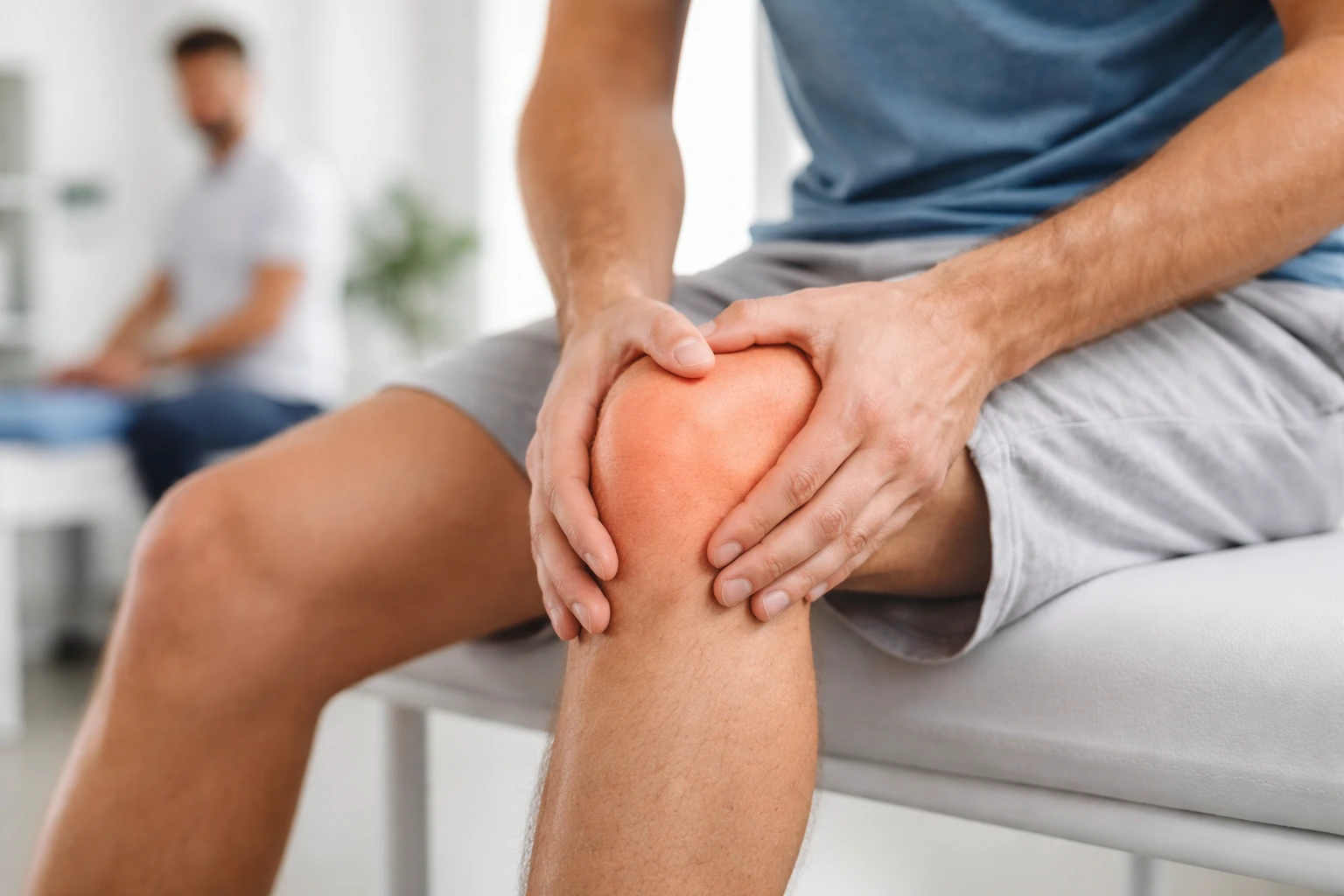
Knee pain is something many people brush off—especially if it comes and goes. But when that discomfort is linked to cartilage damage, ignoring it can lead to long-term joint problems and reduced mobility.
Cartilage plays a critical role in cushioning your knee joint, allowing smooth, pain-free movement. When it begins to wear down or becomes damaged, the effects can be subtle at first—but they often worsen over time if left untreated.
Understanding the early warning signs, how cartilage damage progresses, and what you can do about it can make a significant difference in protecting your joint health.
Cartilage is the smooth, rubbery tissue that covers the ends of bones in your knee joint. It helps absorb shock and allows bones to glide over each other without friction.
When cartilage is damaged—whether from injury, overuse, or age-related wear—it doesn’t heal easily. Unlike other tissues in the body, cartilage has very limited blood supply, making recovery slower and more challenging.
Over time, untreated damage can lead to conditions such as osteoarthritis, where the joint becomes painful, stiff, and inflamed.
Cartilage damage rarely starts with severe pain. In fact, the early signs are often mild and easy to dismiss.
Here are the most common early symptoms to watch out for:
These symptoms may seem minor, but they often signal the beginning of cartilage breakdown.
Without proper care, cartilage damage tends to worsen gradually. Understanding this progression can help you act early.
At this stage, the cartilage begins to lose its firmness. Symptoms are usually mild, such as occasional discomfort or stiffness.
Small cracks or rough areas develop on the cartilage surface. You may start to notice clicking, swelling, or pain during movement.
The cartilage becomes thinner and less effective at cushioning the joint. Pain becomes more frequent, and inflammation may increase.
In severe cases, cartilage may wear away completely, leading to bone-on-bone contact. This is often associated with chronic pain and significant mobility issues.
The earlier you address the problem, the better your chances of slowing or even preventing further damage.
One of the biggest misconceptions about knee pain is that it will simply “go away.” While rest can help in some cases, cartilage damage requires a more proactive approach.
Early intervention can:
Even small lifestyle changes or targeted treatments can make a meaningful difference when started early.
If you’re experiencing persistent knee symptoms, proper assessment is essential.
Here are the most common ways healthcare professionals evaluate cartilage damage:
Early imaging, particularly MRI, can detect cartilage changes before they become severe.
Certain factors can increase your likelihood of developing cartilage damage:
Recognising these risks can help you take preventative steps sooner rather than later.
If you suspect early cartilage damage, there are several strategies that can help protect your knee:
In some cases, additional treatments such as physiotherapy, injections, or regenerative therapies may be recommended depending on severity.
It’s important not to wait too long before seeking professional advice.
Consider booking an assessment if you experience:
Early evaluation can help identify the root cause and guide effective treatment.
Your knees are essential for almost every movement you make—walking, standing, bending, and more. Taking care of them isn’t just about avoiding pain now, but preserving your mobility in the future.
Being proactive, listening to your body, and addressing symptoms early can help you stay active and independent for years to come.
Cartilage has very limited ability to heal because it lacks a strong blood supply. While symptoms may improve with rest and treatment, the damage itself often requires ongoing management.
It can feel like a dull ache, stiffness, or a grinding sensation in the knee. Some people also experience swelling or a catching feeling during movement.
Gentle walking is usually beneficial, as it helps maintain joint mobility. However, it’s important to avoid overdoing it or pushing through pain.
Cartilage damage can be an early stage that may lead to arthritis. Arthritis typically involves more widespread joint inflammation and more advanced cartilage loss.
High-impact or improper exercise can worsen symptoms. However, guided, low-impact exercise is often recommended to strengthen the joint and improve function.
Not necessarily. Many cases can be managed with conservative treatments such as physiotherapy, lifestyle changes, and non-surgical therapies.
An MRI is considered the most effective imaging tool for detecting early cartilage changes and assessing soft tissue in detail.