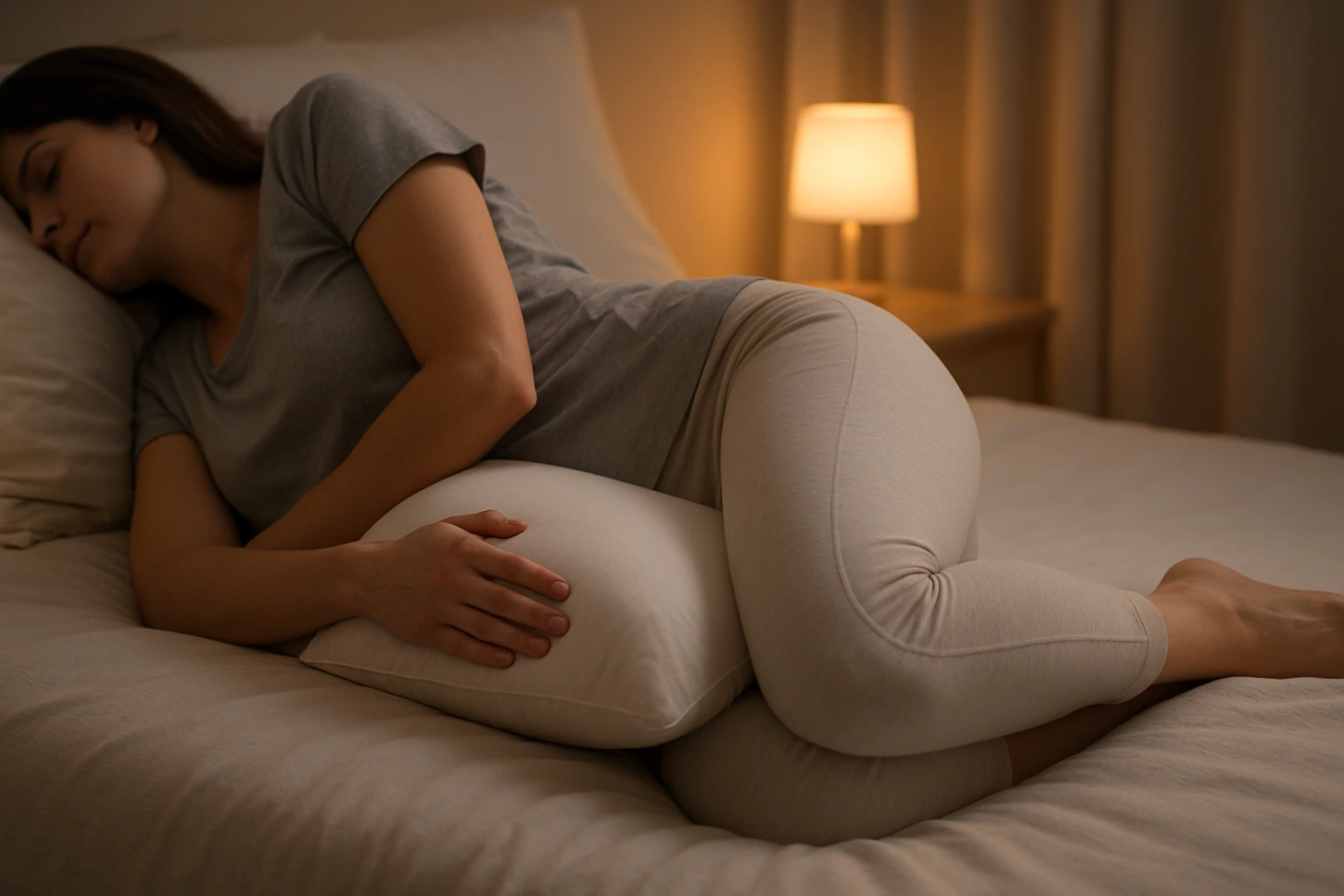
Hip Pain When Sleeping: Common Causes and How to Relieve It
Published by Dr Oliver Khoo at Tuesday, December 2, 2025


Hip pain when sleeping is a common complaint among adults, especially those aged 40 and above or people who live active lifestyles. Whether the discomfort appears suddenly or has been gradually building over time, it can significantly disrupt sleep quality and overall wellbeing. Understanding what causes hip pain at night — and what you can do to manage it — is the first step toward more comfortable, restful sleep.
Below are the most frequent causes of night-time hip pain and practical strategies to help ease symptoms.
Bursae are small, fluid-filled sacs that cushion the bones, tendons, and muscles. When one of these sacs becomes inflamed — a condition known as bursitis — the outer part of the hip can become tender and painful, especially when lying on the affected side.
People often describe hip bursitis pain as:
Bursitis is often caused by repetitive movement, muscle tightness, altered biomechanics, or previous injuries. It is also common in runners and people who spend long hours standing.
Tendinopathy refers to irritation or degeneration of a tendon — the thick tissue that connects muscle to bone. Around the hip, tendinopathy commonly affects the gluteal tendons. These tendons play a crucial role in stabilising the pelvis and maintaining proper alignment during movement.
Symptoms of hip tendinopathy often include:
Tendinopathy is generally caused by overloading the tendon — either doing too much too soon, or long-term repetitive stress without adequate strengthening.
Hip osteoarthritis occurs when the cartilage that cushions the hip joint gradually wears down. Although commonly associated with ageing, arthritis can affect younger adults too, especially those with previous injuries or high-impact sport backgrounds.
Night-time hip pain from arthritis may show as:
Arthritis-related inflammation can intensify at night due to prolonged positioning or stiffness from inactivity.
Weakness or tightness in the hip, gluteal, or lower back muscles can place excess strain on the hip joint and surrounding tissues. This imbalance affects alignment and can cause structures to become irritated — especially when lying in certain positions.
Common contributors include:
Some people naturally prefer sleeping on their side. However, this position can compress the outer hip and irritate sensitive structures, especially if the mattress is too firm or too soft.
Signs the issue may be position-related include:
Pregnancy can shift the body’s centre of gravity, loosen ligaments, and increase strain on the hips. Many pregnant women experience hip pain at night during the second and third trimesters, especially when side sleeping becomes necessary.
Improving night-time hip pain typically requires a combination of position adjustments, strengthening, and addressing inflammation. Below are practical strategies you can start immediately.
Apply for 10–15 minutes before bed to settle symptoms.
Improving flexibility around the hip can help relieve compression and tension.
Useful stretches include:
Hold each stretch for 20–30 seconds without bouncing.
Targeted strengthening helps restore stability and reduce strain on the hip joint. This is particularly important for tendinopathy and bursitis.
Great exercises include:
Progress gradually to avoid overloading the tendon or joint.
Small changes throughout the day can reduce hip irritation at night:
A healthcare professional may recommend short-term use of anti-inflammatory medication, if appropriate for your health situation. Anti-inflammatory creams may also provide targeted relief.
If hip pain persists beyond a week or two, a physiotherapist can assess joint mobility, strength patterns, and movement habits. Treatment may include manual therapy, exercise programming, dry needling, and education on lifestyle factors.
Seek professional help if you experience:
Early treatment can prevent worsening symptoms and long-term complications.
Hip pain often intensifies at night due to prolonged positions, reduced movement, and increased sensitivity when pressure is placed on irritated structures such as tendons or bursae.
If lying on your side causes discomfort, avoid the painful side. Using a pillow between your knees can also help align the pelvis and reduce pressure.
Yes. A mattress that is too soft or too firm can place uneven pressure on the hips, especially for side sleepers. A supportive, medium-firm mattress usually works best.
Some causes — such as mild muscle strain — may settle with rest and gentle care. However, persistent hip pain from bursitis, tendinopathy, or arthritis often requires targeted treatment.
In most cases, low-impact walking helps maintain mobility and reduce stiffness. However, if pain increases during or after walking, consult a physiotherapist.
If pain interferes with sleep for more than one to two weeks, limits movement, or keeps returning, a physiotherapist can assess the underlying cause and provide tailored treatment.