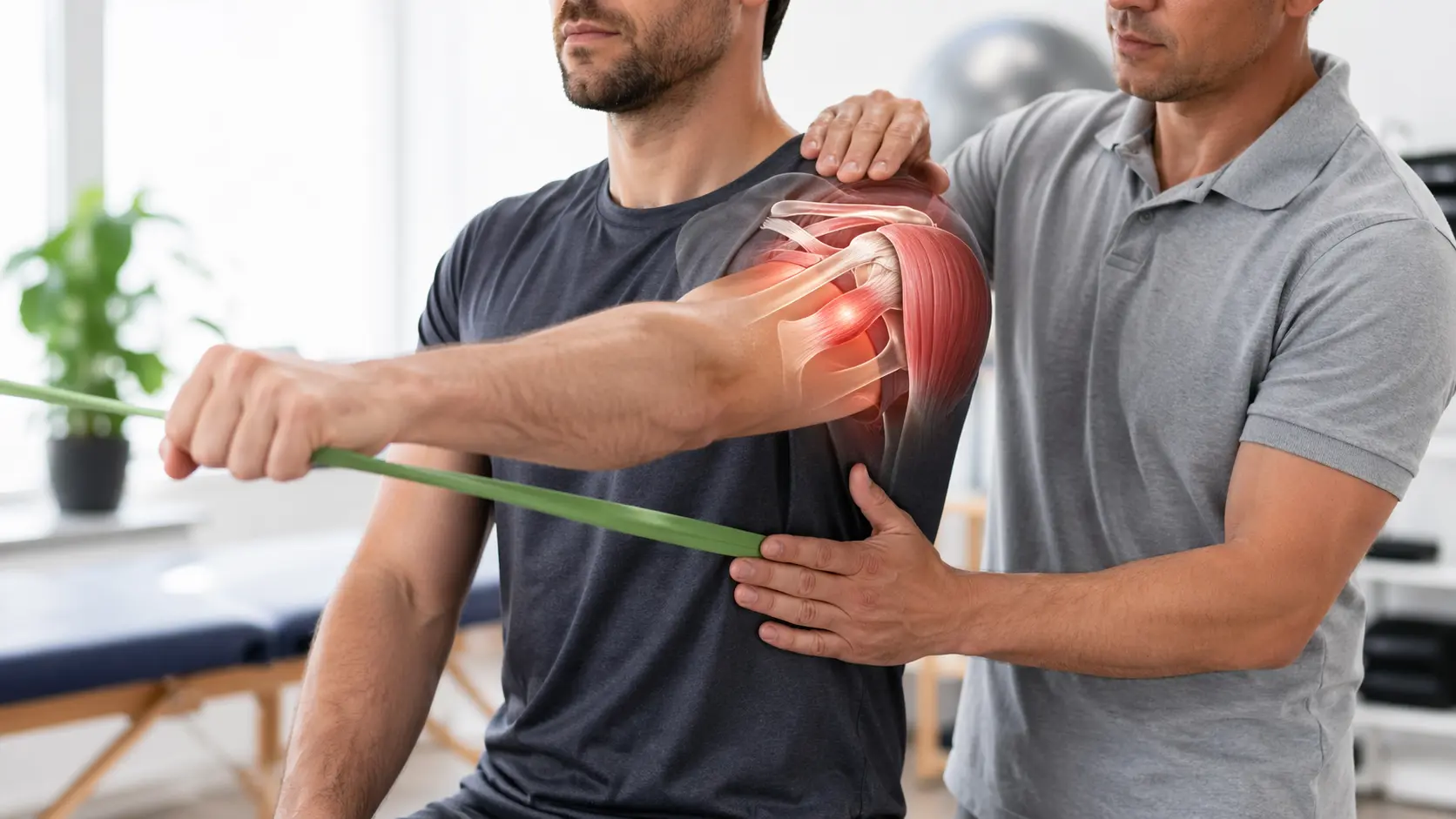
Partial Rotator Cuff Tears: Do They Always Need Surgery?
Published by Dr Oliver Khoo at Tuesday, April 21, 2026


Shoulder pain can be frustrating—especially when it starts affecting everyday movements like reaching overhead, lifting objects, or even sleeping comfortably. One of the most common causes of persistent shoulder pain is a partial rotator cuff tear. But the big question many people ask is: does it always require surgery?
The short answer is no. Many partial tears can be managed successfully without surgery, depending on the severity, symptoms, and lifestyle of the individual. Understanding how these injuries are graded and treated can help you make an informed decision about your recovery.
The rotator cuff is a group of four muscles and tendons that stabilise the shoulder joint and allow for smooth, controlled arm movements. These tendons attach the muscles to the head of the upper arm bone (humerus), keeping it securely within the shoulder socket.
A partial tear occurs when one of these tendons is damaged but not completely severed. This differs from a full-thickness tear, where the tendon is completely torn through.
Not all tears are equal. The severity of a partial rotator cuff tear is typically classified based on how much of the tendon thickness is affected.
This grading plays a crucial role in determining the most appropriate treatment approach.
Partial rotator cuff tears can present differently from person to person. Some individuals may have minimal discomfort, while others experience persistent pain and weakness.
It’s worth noting that symptoms don’t always correlate perfectly with tear severity. Some people with small tears experience significant pain, while others with larger tears may function relatively well.
In most cases, surgery is not the first line of treatment for partial rotator cuff tears. Conservative management is often highly effective, particularly for mild to moderate injuries.
The key takeaway: not all partial tears progress or require surgical repair.
Structured rehabilitation plays a central role in managing partial rotator cuff tears. A well-designed physiotherapy program can reduce pain, improve strength, and restore function.
Many patients experience significant improvement within 6 to 12 weeks of consistent rehabilitation.
While conservative care works for many, surgery may be necessary in certain situations.
Recovery from surgery can take several months and usually involves a structured rehabilitation program.
Choosing between rehabilitation and surgery isn’t always straightforward. It requires a personalised approach based on multiple factors.
A trial of non-surgical treatment is often recommended before considering surgical intervention, unless the tear is severe or significantly impacting daily life.
Partial rotator cuff tears typically do not “heal” in the sense of the tendon fully regenerating. However, symptoms can improve significantly with proper management.
The goal of treatment is to:
Many people return to normal activities without ever needing surgery.
Once you’ve experienced a rotator cuff injury, it’s important to protect your shoulder from further strain.
Early intervention is key—don’t ignore persistent shoulder pain.
Partial rotator cuff tears are common, but they don’t automatically mean surgery. In fact, many people recover successfully with physiotherapy and conservative care.
The decision ultimately depends on the severity of the tear, your symptoms, and your lifestyle needs. Seeking professional assessment early can help guide the right treatment plan and prevent long-term complications.
Most people see improvement within 6 to 12 weeks of physiotherapy, although full recovery can take several months depending on severity.
Yes, but it should be guided by a physiotherapist. Specific exercises can strengthen the shoulder without worsening the injury.
It can, especially if left untreated or if the shoulder is repeatedly strained. Proper management reduces this risk.
Modern arthroscopic procedures are generally safe and minimally invasive, but like any surgery, they carry some risks and require recovery time.
Many patients do. With the right rehabilitation program, a large number of partial tears can be managed without surgical intervention.