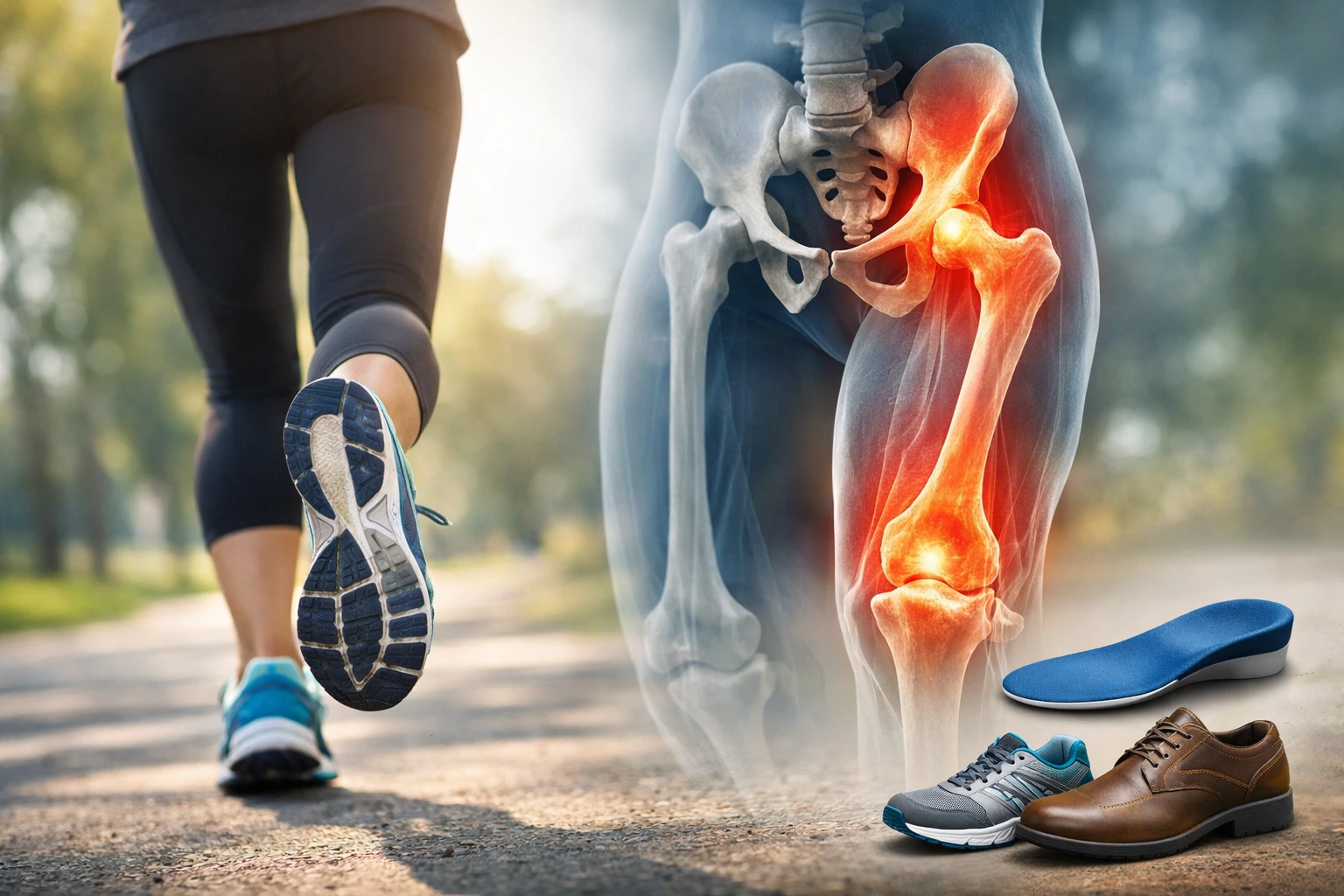
Can Poor Foot Mechanics Cause Knee or Hip Pain?
Published by Dr Oliver Khoo at Tuesday, February 17, 2026


Can Poor Foot Mechanics Cause Knee or Hip Pain?
It’s easy to think of knee or hip pain as a problem that starts where the discomfort is felt. However, the body works as a connected chain, and issues in one area can influence another. One commonly overlooked contributor is poor foot mechanics. When the way your feet move or bear weight is altered, it can affect alignment, walking patterns, and overall joint stress — sometimes leading to pain in the knees or hips.
Understanding how the feet influence the rest of the body can help explain persistent aches that don’t seem to have a clear cause. It can also highlight simple strategies to improve comfort and mobility.
How the Kinetic Chain Works
The human body operates as a kinetic chain, meaning each joint and muscle group affects the next. The feet form the foundation of this chain. When they absorb impact and guide movement efficiently, forces travel evenly through the ankles, knees, hips, and spine. But when foot mechanics are compromised, these forces may shift and overload other joints.
For example, excessive rolling inward or outward of the foot during walking or running can change how the knee tracks and how the hip rotates. Over time, this altered movement pattern may contribute to strain, inflammation, or overuse injuries higher up the chain.
Alignment: Why the Feet Matter More Than You Think
Alignment refers to how the body’s joints line up during standing and movement. Ideally, weight should be distributed evenly across both feet, with the ankles, knees, and hips stacked in a neutral position. Poor foot mechanics can disrupt this alignment in several ways.
Flat feet or overpronation can cause the arches to collapse inward, pulling the ankles and knees slightly inward as well. This can increase stress on the inner knee and place additional strain on the hips. On the other hand, high arches or underpronation may reduce shock absorption, sending greater impact forces upward into the knees and hips.
Even small deviations in alignment can matter when repeated thousands of times a day through walking, standing, or exercise. Over time, these subtle imbalances may contribute to discomfort or joint stiffness.
Gait Issues and Their Ripple Effects
Gait refers to the way you walk or run. A healthy gait is smooth and efficient, with coordinated movement across the feet, ankles, knees, and hips. When foot mechanics are off, gait patterns often change in response.
Common gait changes linked to poor foot function include uneven stride length, excessive foot rolling, or reduced push-off strength. These alterations may cause compensations elsewhere in the body. For instance, limited foot mobility can lead to reduced ankle movement, forcing the knee or hip to absorb extra stress.
In some cases, people subconsciously adjust their gait to avoid discomfort, which may provide short-term relief but create long-term issues. A slightly altered walking pattern repeated daily can place abnormal loads on joints, contributing to chronic pain over time.
The Role of Footwear
Footwear plays a major role in supporting healthy foot mechanics. Shoes that lack structure, cushioning, or proper fit can amplify existing biomechanical issues. For example, overly flexible shoes may fail to support the arch, while worn-out soles can alter how the foot contacts the ground.
High heels, narrow toe boxes, or unsupportive flats can also influence alignment. High heels shift body weight forward, increasing pressure on the knees and changing hip posture. Narrow shoes may restrict natural toe splay, affecting balance and stability. Even athletic shoes that are past their lifespan may lose shock absorption, allowing more impact to travel up the legs.
Choosing footwear that suits your foot type and daily activity level can make a meaningful difference in reducing strain across the lower body.
Can Orthotics Help?
Orthotics are shoe inserts designed to support the feet and improve alignment. They can be prefabricated or custom-made, depending on individual needs. By redistributing pressure and guiding foot motion, orthotics may help reduce abnormal stress on the knees and hips.
For people with flat feet, orthotics may provide arch support and reduce excessive inward rolling. Those with high arches may benefit from additional cushioning to improve shock absorption. In cases where leg length differences or structural imbalances exist, tailored orthotics can assist in promoting more balanced movement.
It’s important to note that orthotics are not a universal solution. Their effectiveness depends on accurate assessment and proper fit. In many cases, they are most beneficial when combined with strengthening exercises and appropriate footwear.
Signs Your Feet May Be Contributing to Pain
If you’re experiencing knee or hip discomfort without a clear injury, it may be worth considering whether foot mechanics are involved. Some potential indicators include:
Frequent foot fatigue or arch discomfort
Uneven wear patterns on shoes
Pain that worsens after prolonged standing or walking
A history of ankle instability or recurring foot issues
Discomfort that improves when wearing more supportive footwear
While these signs don’t confirm a direct cause, they may suggest that a closer look at foot function is worthwhile.
Improving Foot Mechanics Naturally
Addressing foot-related issues doesn’t always require complex interventions. In many cases, simple changes can support better alignment and movement patterns.
Strengthening the intrinsic foot muscles through targeted exercises can improve arch stability and balance. Activities like toe spreads, calf raises, and controlled barefoot exercises on safe surfaces may help build resilience over time.
Mobility work is equally important. Gentle stretching of the calves, Achilles tendon, and plantar fascia can support smoother movement through the ankle and foot. Improved mobility may reduce compensations that affect the knees and hips.
Gradual transitions are key when making changes. Switching to new footwear or orthotics too quickly can create new stresses. A phased approach allows the body to adapt more comfortably.
When to Seek Professional Advice
Persistent knee or hip pain should not be ignored, especially if it affects daily activities. Health professionals such as podiatrists, physiotherapists, or musculoskeletal specialists can assess gait, alignment, and foot mechanics in detail.
A thorough evaluation may include movement analysis, footwear assessment, and discussion of activity levels. From there, a tailored plan may involve exercises, footwear adjustments, orthotics, or broader rehabilitation strategies.
Early assessment can help identify contributing factors before minor discomfort develops into chronic pain.
The Bigger Picture
While not all knee or hip pain originates in the feet, poor foot mechanics can be a contributing factor that is often overlooked. Because the feet serve as the body’s base of support, even subtle imbalances can influence how forces travel through the lower limbs.
Paying attention to alignment, gait, footwear, and supportive strategies like orthotics can play a role in maintaining joint comfort. Whether you’re an active individual or someone who spends long hours on your feet, supporting healthy foot mechanics may help reduce unnecessary strain on the knees and hips over time.
Understanding the connection between the feet and the rest of the body empowers you to take a more holistic approach to movement and pain management. Sometimes, relief starts from the ground up.