The Science Behind Modern Joint Implants: Breakthroughs in Materials, Design & Longevity
Published by Dr Oliver Khoo at Sunday, February 1, 2026


Joint replacement surgery has transformed the lives of millions of people suffering from arthritis, injury or degenerative joint disease. In the last decade, advances in materials science, engineering design, surface technologies and surgical approaches have pushed modern implants far beyond the early prosthetics of the 20th century. Today’s implants are designed for longevity, better biomechanical performance and improved integration with the body’s own tissues — outcomes that were once aspirational are now becoming routine.
This article unpacks how these advancements have reshaped joint implants — why they matter, how they work, and what they mean for patients entering a new era of orthopaedic care.
Traditional joint implants were typically made from stainless steel or basic cobalt-chromium alloys. In the last decade, more sophisticated metal alloys — especially titanium alloys — dominate implant construction. Titanium offers excellent biocompatibility, meaning it’s less likely to trigger immune reactions, and its elastic properties more closely match those of natural bone. This helps reduce stress shielding, where bone weakens because it is not loaded normally by the implant.
One of the biggest material successes in joint implants has been the rise of highly cross-linked polyethylene (HXLPE) as a bearing surface. Cross-linking improves wear resistance dramatically compared with older plastics, cutting down on the tiny particles that can trigger inflammation and bone loss around the implant.
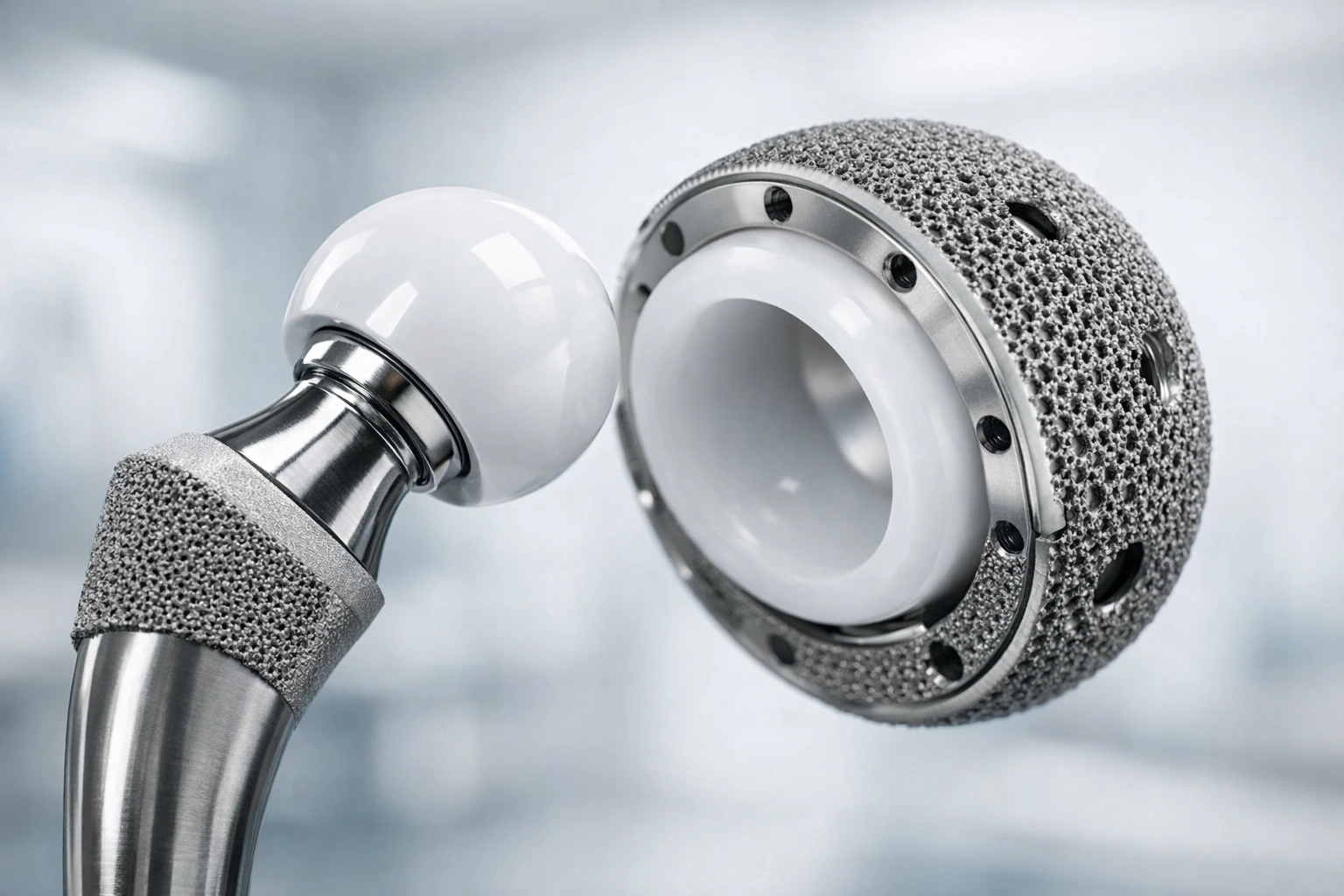
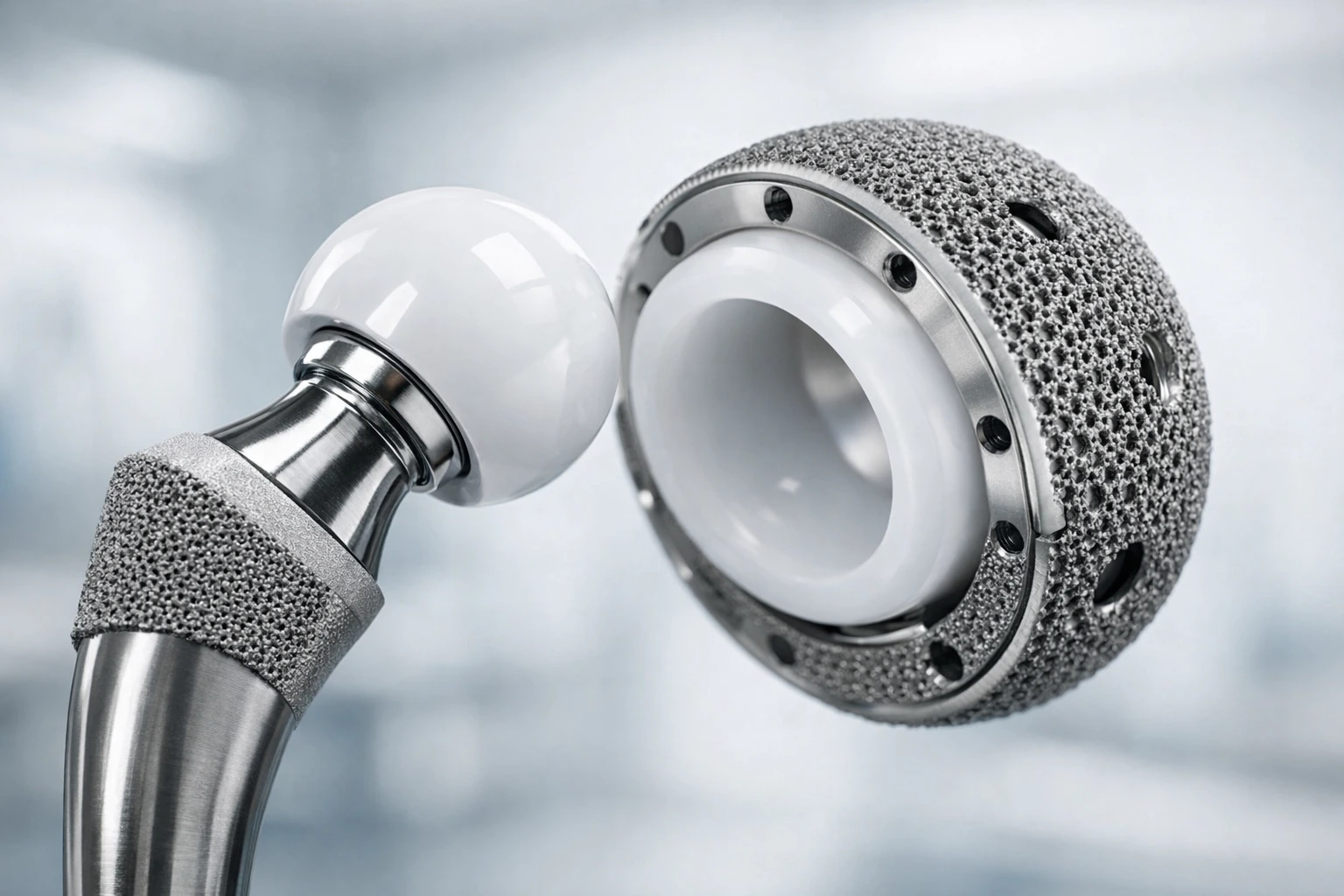
Ceramics provide superb wear resistance and very low friction. Although brittle compared with metals, when paired with tough substrates or used in hybrid forms, they reduce wear and improve longevity, especially in hip replacements. Nanocomposite materials and surface functionalised polymers are also emerging, offering a blend of strength, wear resistance and biologically friendly behaviour.
Cutting-edge implants increasingly incorporate bioactive coatings that encourage bone growth, and even materials embedded with antimicrobial properties that help prevent post-surgical infection — a key cause of implant failure. Innovative scaffolds combining metal and bioactive nanoparticles aim to promote tissue regeneration while discouraging bacterial colonisation.
Modern implants often feature porous or trabecular surfaces that mimic the sponge-like architecture of natural bone. These surfaces allow bone cells to grow directly into the implant, creating a robust mechanical bond without the need for bone cement. This enhances stability and reduces the risk of loosening over time.
Hydroxyapatite and other bioactive coatings resemble natural bone mineral structure and stimulate bone growth onto the implant. This improves osseointegration — the process by which the bone settles securely against the implant — and reduces early micromotion that can threaten long-term integration.
Researchers are actively testing antimicrobial coatings designed to prevent bacterial attachment, one of the leading contributors to infection following joint surgery. At the same time, engineered surface textures and chemistries reduce wear between moving parts, thereby extending implant life.
Advances in imaging and manufacturing — especially 3D printing — allow surgeons to tailor implants to a patient’s unique anatomy. Customised implants fit better, move more naturally, and distribute forces more evenly, resulting in better function and potentially fewer complications.
While older implants often relied on bone cement to stay in place, many modern devices use cementless fixation, where a porous surface encourages natural bone to grow into the implant solidly. This is particularly beneficial for younger, more active patients who place higher demands on their joints.
Engineering refinements now produce implants that better account for anatomical differences — such as modifications in femoral contours or Q-angles — improving comfort and performance in different patient groups. Aligning designs with natural joint movement helps reduce abnormal stress that can accelerate wear.
One of the central goals of implant innovation is longevity — how long the device can function effectively without failure or revision surgery. While implant longevity depends on many factors (including patient activity levels and surgical technique), the improvements described above collectively extend functional life significantly.
For many patients, this means joint replacement can be offered at younger ages with confidence that the device will last decades rather than a single decade. Better wear resistance, stronger bone-implant bonding, smarter materials and optimisation of design all contribute to reduced revision rates and improved patient quality of life.
1. What are the main materials used in modern joint implants?
Modern joint implants are typically made from advanced metallic alloys (such as titanium and cobalt-chromium), highly cross-linked polyethylene plastics, ceramics and bioactive surface coatings. These materials are chosen for strength, biocompatibility and resistance to wear.
2. How do new implant surfaces improve outcomes?
Surfaces engineered to be porous or coated with bioactive minerals help bone grow into the implant securely, reducing loosening and improving long-term stability. Antimicrobial surfaces also target infection risks at the implant interface.
3. What role does 3D printing play in joint implants?
3D printing enables highly customised implants that match a patient’s own anatomy, improving fit and motion. It also allows complex structures — like trabecular surfaces — that traditional manufacturing cannot easily achieve.
4. Are newer implants more durable than older ones?
Yes. Advances in materials like highly cross-linked polyethylene and improved design techniques have significantly enhanced wear resistance and mechanical performance, leading to longer implant lifespans for many patients.
5. Do surface coatings help prevent infections?
Emerging antimicrobial surface technologies aim to reduce bacterial attachment and infection after surgery. While they do not replace surgical sterility and antibiotic protocols, they provide an additional preventive layer at the implant site.
Over the past decade, the science of joint implants has advanced remarkably. From stronger, more biocompatible materials and engineered surfaces to anatomically refined designs and personalised implants, modern joint replacements offer patients longer-lasting, more natural and more reliable solutions. As research continues to push the boundaries — including smart implants and regenerative technologies — the outlook for people requiring joint replacement has never been more optimistic.