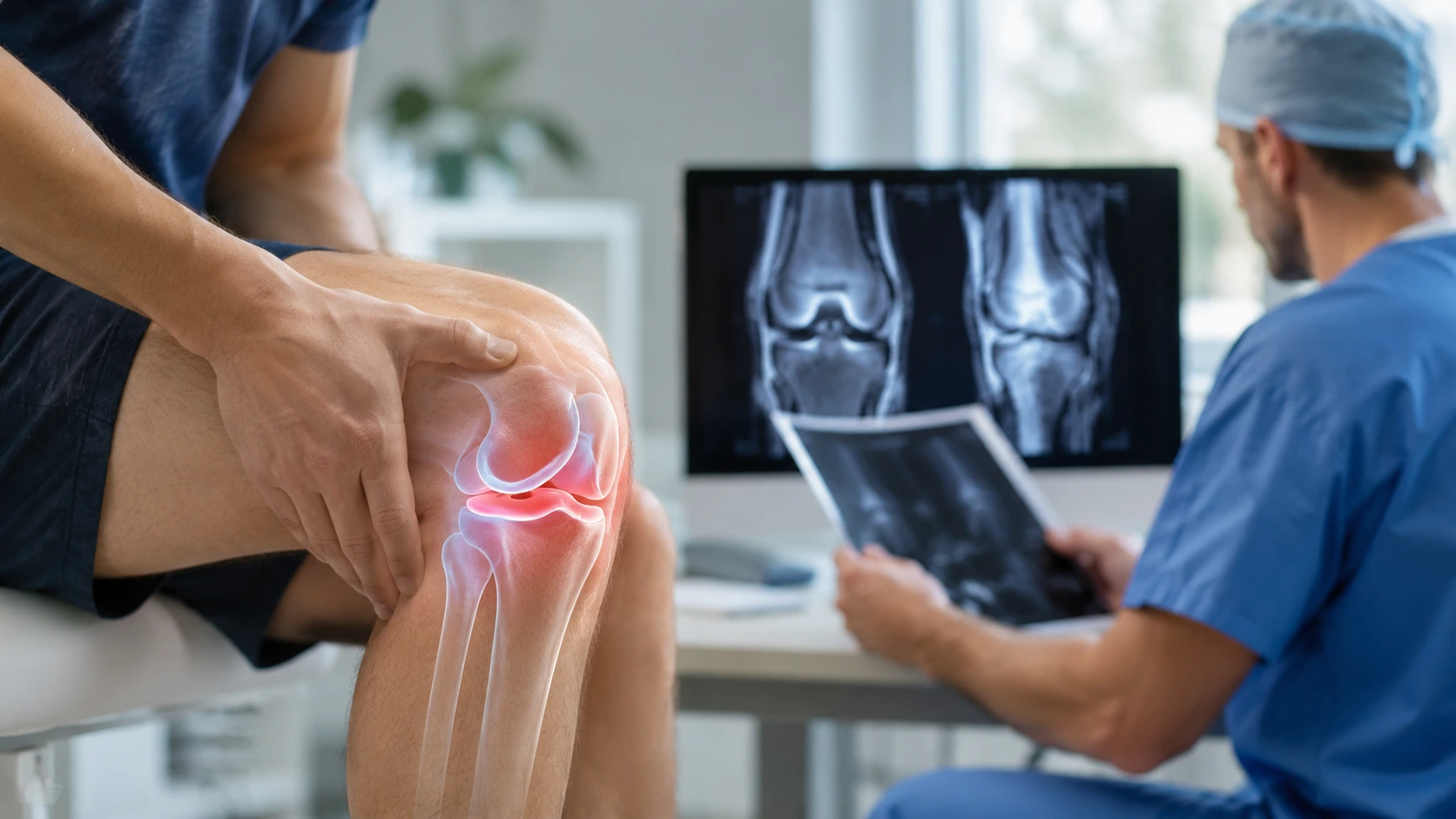
Understanding Meniscus Tears: Repair vs Removal
Published by Dr Oliver Khoo at Tuesday, May 19, 2026


The meniscus plays an important role in keeping the knee stable, cushioned and functioning properly. When this cartilage becomes torn, even simple activities such as walking, squatting or climbing stairs can become painful and difficult. Meniscus tears are among the most common knee injuries seen in both athletes and everyday individuals, particularly as people age.
One of the biggest decisions after diagnosis is whether the meniscus should be repaired or partially removed. The answer depends on several factors, including the type of tear, its location, the patient’s age and activity level, and the likelihood of healing.
Understanding the difference between meniscus repair and meniscectomy (partial removal) can help patients make informed decisions about their treatment and recovery.
Each knee contains two menisci — the medial meniscus on the inner side of the knee and the lateral meniscus on the outer side. These crescent-shaped pieces of cartilage act as shock absorbers between the thigh bone and shin bone.
The meniscus helps to:
When the meniscus is damaged, the knee may become painful, swollen, unstable or prone to locking.
Meniscus tears can occur suddenly through injury or gradually over time due to degeneration.
These are more common in younger or active individuals and often occur during sports involving twisting, pivoting or sudden changes in direction. Common sports-related causes include:
A sudden twisting motion while the foot is planted can place excessive stress on the meniscus, leading to a tear.
As people age, the meniscus naturally weakens and becomes less flexible. In older adults, even minor movements such as kneeling, squatting or stepping awkwardly can cause a tear.
Degenerative tears are commonly associated with early osteoarthritis and general wear and tear of the knee joint.
Symptoms vary depending on the severity and location of the injury.
Common signs include:
Some people remain able to walk after the injury, while others experience immediate pain and reduced mobility.
Not all meniscus tears are the same. The shape, size and location of the tear significantly influence treatment decisions.
These tears extend from the inner edge of the meniscus outward. They are common and may disrupt the meniscus’ ability to distribute force effectively.
A large portion of the meniscus becomes displaced, sometimes causing the knee to lock. These tears often require surgery and are more likely to be repaired if possible.
These tears split the meniscus into upper and lower sections. In some cases, they may be associated with cyst formation.
An unstable fragment of cartilage catches within the knee joint, leading to mechanical symptoms such as locking or catching.
These involve multiple tear patterns and are commonly seen in degenerative knees. Repair may not always be suitable.
The meniscus has different blood supply zones, which strongly influence healing potential.
The outer third of the meniscus has a relatively good blood supply. Tears in this region are more likely to heal successfully after repair.
This middle section has limited blood flow. Some tears in this area may still heal with repair, depending on the patient and tear pattern.
The inner portion has very poor blood supply, making healing unlikely. Tears in this area are often treated with partial removal rather than repair.
Meniscus repair aims to preserve and heal the damaged cartilage rather than remove it.
During surgery, the torn edges are stitched together using specialised techniques performed arthroscopically through small incisions.
Repair is more commonly considered when:
Repairing the meniscus offers several long-term advantages.
These include:
Because the meniscus remains intact, the knee maintains more natural biomechanics.
Repair is not always possible, and recovery tends to be longer than meniscus removal.
Potential considerations include:
Healing can take several months, particularly for active individuals returning to sport.
A meniscectomy involves trimming and removing the damaged section of the meniscus while preserving as much healthy tissue as possible.
This procedure is generally performed arthroscopically and is often recommended when the tear cannot heal effectively.
Partial meniscus removal may be advised when:
The goal is to relieve pain and restore smoother knee movement.
Advantages of partial removal include:
Many patients resume walking comfortably within days or weeks following surgery.
Although recovery is quicker, removing meniscal tissue may increase long-term joint stress.
Potential risks include:
For this reason, surgeons generally aim to preserve as much meniscus tissue as possible.
The decision between meniscus repair and removal is highly individualised.
Orthopaedic surgeons assess several factors, including:
MRI imaging often helps determine whether a tear appears repairable, although the final decision may sometimes be made during arthroscopic surgery.
In younger patients, surgeons typically prioritise preservation whenever possible. In older patients with degenerative changes, partial removal may provide more reliable symptom relief.
Recovery timelines differ significantly between repair and removal procedures.
Patients usually require:
Return to sport may take four to six months depending on healing progress.
Recovery is generally quicker.
Patients may experience:
However, long-term joint care remains important to protect knee health.
Some meniscus tears may improve with conservative treatment, particularly small tears in stable areas.
Non-surgical management may include:
Surgery may be considered if symptoms persist, mechanical locking develops, or knee function remains limited.
Maintaining knee strength and mobility can help reduce stress on the meniscus and surrounding cartilage.
Helpful strategies include:
Early assessment of persistent knee pain can also prevent worsening joint damage.
Some small tears, particularly those in areas with good blood supply, may heal with conservative treatment. Larger or unstable tears often require surgical management.
Whenever possible, preserving the meniscus is generally preferred because it helps protect long-term knee function and reduces the risk of arthritis. However, not all tears are repairable.
Recovery varies depending on the procedure. Meniscus repair may require several months of rehabilitation, while partial meniscus removal often allows faster return to activity.
A meniscus injury can increase the risk of knee arthritis over time, especially if significant cartilage is removed. Preserving healthy meniscal tissue may help reduce this risk.
Some people can continue modified exercise depending on the severity of the tear. Activities causing locking, sharp pain or instability should be avoided until properly assessed.
Yes. Physiotherapy plays an important role in restoring knee strength, mobility and stability after both meniscus repair and meniscectomy procedures.