Why Knee Swelling Keeps Coming Back: Causes, Inflammation & Effective Treatment Options
Published by Dr Oliver Khoo at Tuesday, May 5, 2026


Knee swelling that repeatedly returns is usually a sign of an underlying issue rather than a one-off injury. Common causes include inflammation, fluid build-up (effusion), overuse, arthritis, or unresolved damage within the joint. Understanding why swelling occurs is key to managing symptoms effectively and preventing long-term complications. Treatment ranges from simple rest and physiotherapy to medical intervention, depending on the cause.
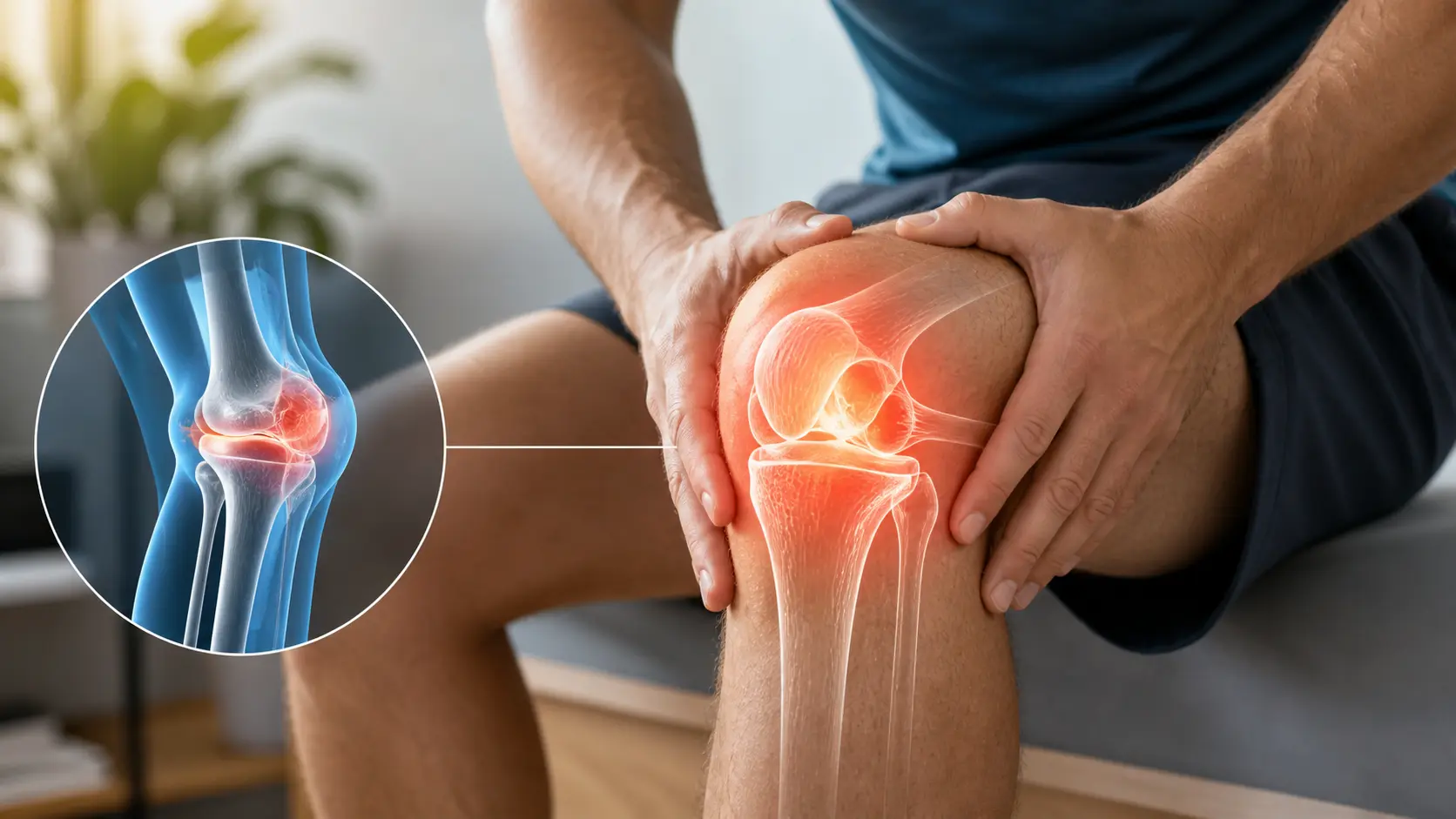
A clean, professional image showing a person sitting with one knee slightly swollen, highlighted subtly with a soft glow effect. Background should be neutral (clinic or home setting), with a focus on the knee joint. Include a faint anatomical overlay of the knee structure (bones, ligaments) to suggest internal causes without making it too clinical.
Knee swelling, often referred to as “water on the knee”, occurs when excess fluid accumulates in or around the joint. While occasional swelling after activity or minor injury is common, recurring swelling signals that something deeper is happening inside the joint.
The knee is a complex structure made up of bones, cartilage, ligaments, tendons, and fluid-filled sacs. When any of these components are irritated or damaged, the body responds by sending fluid to protect and cushion the area. The problem arises when this response becomes repetitive or chronic.
Recurring knee swelling usually happens because the root cause hasn’t fully healed or continues to be aggravated. Below are the most common reasons:
Inflammation is your body’s natural healing response, but if the knee keeps being stressed—through exercise, poor movement patterns, or prolonged standing—it can remain in a constant low-level inflammatory state. This leads to repeated swelling.
Excess synovial fluid builds up when the knee is irritated. This can be due to injury, arthritis, or even minor repetitive strain. If the cause isn’t addressed, the fluid continues to return even after temporary relief.
Old injuries such as ligament tears, meniscus damage, or fractures can leave the joint unstable. Even after initial healing, these areas may still trigger swelling during activity.
Activities like running, squatting, or kneeling can put repeated stress on the knee. Without adequate recovery, this leads to ongoing irritation and swelling.
Both osteoarthritis and inflammatory forms of arthritis can cause chronic swelling. The cartilage breakdown or autoimmune response leads to persistent fluid accumulation and discomfort.
Issues like flat feet, weak glutes, or improper posture can place uneven pressure on the knee joint. Over time, this imbalance contributes to recurring swelling.
Recurring knee swelling rarely comes alone. You may also notice:
These symptoms often fluctuate depending on activity levels and underlying conditions.
The right treatment depends on the underlying cause, but most approaches focus on reducing inflammation, managing fluid build-up, and improving joint function.
Giving the knee time to recover is essential. This doesn’t always mean complete rest, but rather avoiding movements that trigger swelling.
Applying ice helps reduce inflammation and fluid accumulation. Elevating the leg can assist in draining excess fluid away from the joint.
Using a knee brace or compression bandage can support the joint and limit swelling, especially during activity.
A targeted rehabilitation program strengthens the muscles around the knee, improves alignment, and reduces stress on the joint. This is often one of the most effective long-term solutions.
Over-the-counter or prescribed medications can help control inflammation and pain, although they don’t address the root cause.
In cases of significant fluid build-up, a medical professional may remove excess fluid from the knee. This provides temporary relief but is usually combined with other treatments.
Corticosteroid or hyaluronic acid injections may be used to reduce inflammation or improve joint lubrication in more persistent cases.
If structural damage such as a torn ligament or meniscus is causing repeated swelling, surgery may be required.
While occasional swelling can be managed at home, recurring swelling should not be ignored. Seek professional advice if:
These signs may indicate a more serious underlying condition that requires medical attention.
Prevention focuses on reducing stress on the knee and supporting long-term joint health:
Consistency in these habits can significantly reduce the likelihood of recurring swelling.
This usually happens because the underlying cause—such as inflammation or joint irritation—hasn’t been fully resolved. Temporary relief doesn’t mean the issue is healed.
It can be. While mild fluid build-up may resolve on its own, recurring or severe swelling often indicates an underlying problem that needs attention.
Yes, especially if the knee is already inflamed or injured. However, gentle, controlled movement can sometimes help—it's about finding the right balance.
Minor swelling may settle within a few days. If it lasts longer than a week or keeps returning, it’s worth investigating further.
Not necessarily. Modifying your activity and focusing on low-impact exercises is usually more effective than complete rest.
In many cases, yes. By addressing muscle imbalances and joint mechanics, physiotherapy can significantly reduce or even eliminate recurring swelling.
Recurring knee swelling is your body’s way of signalling that something isn’t quite right. Rather than repeatedly treating the symptoms, it’s important to identify and address the root cause. With the right combination of care, movement, and professional support, most people can manage their symptoms effectively and return to normal activity without ongoing discomfort.