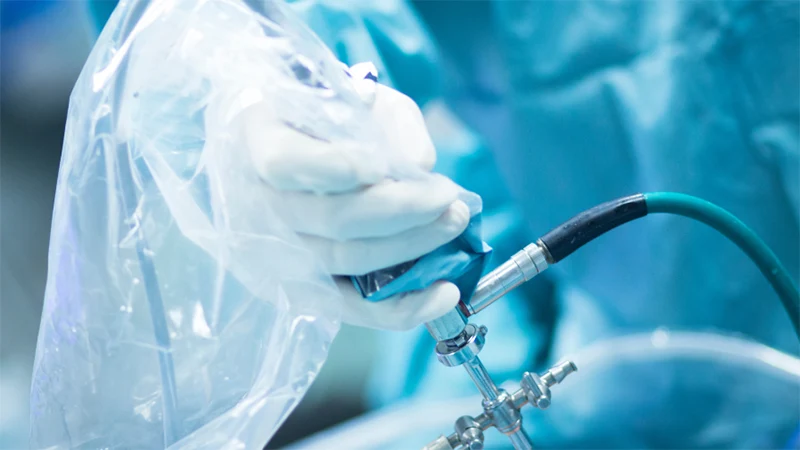
Shoulder Treatment: Arthroscopic Rotator Cuff Repair
What is Arthroscopic Rotator Cuff Repair?
Arthroscopic Rotator Cuff Repair is a minimally invasive surgery to repair torn tendons in the rotator cuff.


Arthroscopic Rotator Cuff Repair is a minimally invasive surgery to repair torn tendons in the rotator cuff.
This procedure uses small incisions and a camera to repair torn rotator cuff tendons. It is effective for large tears or those not responding to conservative treatment and aims to restore shoulder function and reduce pain.
The surgery itself is painless due to anaesthesia, but post-operative pain is expected. Pain management, including medication and physiotherapy, will be provided to aid recovery.
Arthroscopic rotator cuff repair is very effective for restoring function and reducing pain. The success rate is high, especially when combined with post-operative physiotherapy.
Although the surgery is highly effective, it is important to be aware of potential complications. Dr. Khoo will inform you about the possible complications, including:
Dr. Khoo will outline what you can expect in terms of recovery. The typical recovery process after arthroscopic rotator cuff repair includes:
Dr. Khoo will explain what happens during the surgery and what to expect in terms of procedure steps and recovery, which typically involves:
Driving after arthroscopic rotator cuff repair is not recommended until you have adequate shoulder control and strength to handle the steering wheel safely, and you are no longer taking strong pain medication that could impair your reflexes or judgment. Most patients are advised to avoid driving for at least six weeks, though this may vary depending on the size of the repair, whether it was on your dominant arm, and how quickly you regain motion and control. During the early recovery phase, your arm is immobilised in a sling, making it impossible to operate a vehicle safely. Even once the sling is removed, you should only resume driving once you can move your arm comfortably, react quickly in an emergency, and perform all necessary motions without pain. Your surgeon will assess your progress at follow-up appointments and can provide specific clearance for driving based on your individual recovery. Attempting to drive too early could not only risk damaging the repair but also pose a safety hazard to yourself and others. In some cases, insurers may require medical clearance before you can legally drive again, so it’s important to check with your provider.
Arthroscopic rotator cuff repair typically takes between one to two hours, although this can vary depending on the size and complexity of the tear, the number of tendons involved, and whether additional procedures are needed, such as subacromial decompression or biceps tenodesis. The procedure itself is performed under sterile conditions using small keyhole incisions through which a camera and fine instruments are inserted into the shoulder joint. Smaller tears may be repaired quite efficiently, while larger or chronic tears can take longer due to the need for more extensive mobilisation and multiple suture anchors to achieve a stable repair. The total time spent in theatre also includes preparation, anaesthetic induction, patient positioning, and closure. Although the surgical component might be relatively brief, the entire hospital stay on the day of surgery can last several hours as patients undergo pre-operative assessment, anaesthetic recovery, and post-operative observation to ensure safety before discharge. In most cases, this is done as a day procedure, meaning the patient can return home the same day once they are stable and comfortable. The emphasis is always on performing the operation carefully and safely rather than rushing through it, as the quality of the repair plays a significant role in long-term shoulder function and strength recovery.
After arthroscopic rotator cuff repair, a sling is worn to protect the repaired tendon while it heals. Most patients will need to wear the sling continuously for about four to six weeks, though this can vary depending on the size of the tear and the surgeon’s preference. The sling keeps the shoulder in a neutral or slightly rotated position to minimise tension on the repair and prevent accidental movement that could disrupt healing. It should be worn day and night, except during gentle exercises, bathing, or when instructed by the physiotherapist. Sleeping in a semi-reclined position or with pillows for support is often more comfortable during this period. While it can be frustrating to have limited use of the arm, this phase is crucial for tendon healing. Removing the sling too early or using the arm actively before clearance may risk stretching or re-tearing the repair. Around the six-week mark, under guidance from the surgeon and physiotherapist, the sling is gradually weaned off as passive and then active exercises progress. Compliance with sling use is one of the most important factors in achieving a strong, durable repair and an optimal recovery outcome.
While arthroscopic rotator cuff repair is a safe and effective procedure, like all surgeries, it carries potential risks and complications. The most common include stiffness or frozen shoulder, where scar tissue limits motion, and re-tear of the tendon, particularly in large or degenerative tears. Infection, though rare, can occur at the incision sites or within the joint. Bleeding, swelling, and bruising are expected temporarily but usually resolve with rest and ice. Nerve injury around the shoulder is very uncommon but possible, leading to temporary numbness or weakness. Anaesthetic-related complications such as nausea, sore throat, or allergic reactions may also occur. Some patients experience prolonged pain due to inflammation or incomplete healing, and occasionally the repair may fail to reattach completely despite best surgical technique. Smoking, diabetes, and poor tissue quality increase these risks. To minimise complications, strict adherence to post-operative instructions, sling use, and physiotherapy is essential. Early communication with the surgeon about any unusual pain, redness, fever, or drainage from the wound helps detect and treat problems promptly. Overall, the majority of patients recover well with excellent long-term shoulder function and pain relief.
Recovery after arthroscopic rotator cuff repair is gradual and can take several months, often between four to twelve months depending on the severity of the tear, the quality of the tendon and bone, and the patient’s overall health. The first six weeks typically involve wearing a sling to protect the repair while the tendon heals back to the bone. During this time, only passive movement exercises are allowed under physiotherapy supervision. Between six and twelve weeks, active-assisted and active range-of-motion exercises are introduced to restore movement. Strengthening exercises generally start around the three-month mark, once healing is sufficiently advanced. Most patients can resume light activities by three months and return to non-strenuous work or daily tasks by around four months. Full return to heavy lifting, sports, or physically demanding jobs may take six to twelve months. The healing process is influenced by factors such as age, tissue quality, smoking, and adherence to rehabilitation protocols. Patience and consistency with physiotherapy are key to achieving long-term success. While early recovery milestones can be encouraging, true strength and endurance continue to improve for up to a year after surgery.
Arthroscopic rotator cuff repair is most commonly performed under general anaesthesia, where the patient is fully asleep and unaware during the operation. In addition to general anaesthesia, many anaesthetists also use a regional nerve block, known as an interscalene block, which numbs the shoulder and upper arm region. This combination provides effective pain control during and after surgery, allowing patients to wake up comfortably and reducing the need for strong pain medication in the first 24 hours. The nerve block involves injecting local anaesthetic around the nerves supplying the shoulder, typically guided by ultrasound for accuracy and safety. In some patients, particularly those with medical conditions that make general anaesthesia higher risk, a regional block may be used alone, although this is less common. Before surgery, the anaesthetist will discuss the options, including potential risks and benefits, and tailor the approach based on individual medical history, allergies, and preferences. Once the operation is completed, the effects of the nerve block may last for several hours, offering significant pain relief as the patient recovers at home. As sensation gradually returns, mild discomfort or stiffness can occur, and prescribed pain medication should be taken as directed.
The timing of return to work after arthroscopic rotator cuff repair depends on the type of job and the demands placed on the shoulder. For sedentary or desk-based work, many patients can return within four to six weeks, provided they can perform tasks comfortably while wearing a sling or after initial removal. Those with jobs requiring manual labour, heavy lifting, or overhead activity generally need to wait at least four to six months before resuming full duties. Some may return earlier in a modified capacity with restrictions on lifting and movement. The surgeon will assess progress at each follow-up and provide a medical certificate or clearance indicating when return to work is appropriate. Attempting to resume strenuous tasks too early risks damaging the repair or prolonging recovery. Communication between the patient, employer, and treating team helps ensure a safe and gradual transition back to work. In cases where the repair was extensive or the job is highly physical, a staged return plan may be implemented, starting with light duties and progressively increasing workload as strength improves. Patience during this period helps secure long-term shoulder stability and function.
Physiotherapy is an essential part of recovery following arthroscopic rotator cuff repair. While the surgical repair restores the torn tendon to the bone, physiotherapy helps restore movement, strength, and function to the shoulder. Immediately after surgery, the repaired tendon needs time to heal, so the shoulder is usually immobilised in a sling. However, physiotherapy begins early, often within the first week or two, focusing initially on gentle, passive range-of-motion exercises performed by the physiotherapist to prevent stiffness and maintain joint flexibility. As healing progresses, active-assisted and later active exercises are introduced to gradually strengthen the rotator cuff and surrounding muscles. Physiotherapy typically continues for several months, with intensity increasing in stages based on the healing process and surgical findings. Commitment to the exercise program and attending scheduled appointments are crucial for achieving the best possible outcome. Patients who participate actively in their rehabilitation generally regain better strength and motion than those who do not. The physiotherapist works closely with the surgeon to monitor progress and adjust exercises accordingly, ensuring the tendon repair is protected while function is restored. Overall, physiotherapy is not optional—it is a vital component of successful shoulder recovery.
Many patients regain excellent shoulder strength following arthroscopic rotator cuff repair, but the degree of recovery depends on several factors. These include the size and chronicity of the tear, tissue quality, patient age, adherence to physiotherapy, and pre-existing shoulder conditions. For small or moderate tears repaired promptly, full or near-full strength recovery is common. Larger or long-standing tears, particularly those associated with muscle wasting or fatty degeneration, may not regain full pre-injury power, but significant improvement in function and pain relief is typical. The repaired tendon needs several months to heal securely to the bone, and regaining strength is a gradual process achieved through guided rehabilitation. Overloading the shoulder too soon can compromise the repair. It is also normal for the shoulder to feel weak initially after sling immobilisation, as muscles temporarily lose tone. With consistent physiotherapy and strengthening exercises, most patients regain enough strength for normal daily activities, recreational sports, and work tasks. However, some high-demand athletes or heavy labourers may experience mild residual weakness or endurance limitations. Overall, while full strength is not guaranteed in every case, the vast majority of patients experience substantial functional improvement and pain reduction, allowing them to return to an active lifestyle.