How many injections can I have in a year?
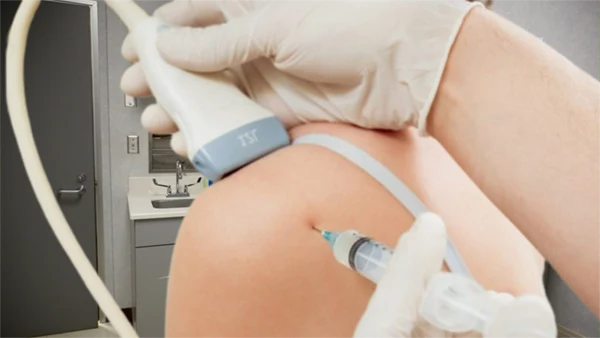
Corticosteroid injections are an effective short-term treatment for shoulder pain caused by inflammation, arthritis, or impingement. However, there are limits to how often these injections should be administered due to potential side effects. Most orthopaedic specialists, including those following Australian Orthopaedic Association and American Orthopaedic Association recommendations, suggest limiting corticosteroid injections to no more than three or four times a year in the same joint. Repeated injections in short succession can increase the risk of tendon weakening, cartilage damage, and systemic side effects such as changes in blood sugar levels. The frequency also depends on the condition being treated and the patient’s response to earlier injections. Some individuals may find long-term benefit after just one or two injections, while others may need periodic top-ups spaced several months apart. Your surgeon will weigh the risks and benefits based on your age, joint health, underlying conditions such as diabetes or osteoporosis, and previous response to corticosteroid therapy. The goal is to relieve pain while avoiding potential harm from excessive steroid exposure. If symptoms persist despite appropriate use of injections, further imaging or alternative treatments such as physiotherapy, platelet-rich plasma therapy, or surgery may be discussed.
Can I drive after receiving an injection?
Most people can safely drive after a shoulder corticosteroid injection, but it depends on how you feel and the type of anaesthetic used. If a local anaesthetic is injected along with the steroid, temporary numbness or weakness in the shoulder or arm may occur, which can affect your ability to control the vehicle. For this reason, it’s generally advised to wait several hours until full sensation and strength return before driving. Some patients experience mild discomfort or stiffness shortly after the procedure, which can also interfere with safe driving. If you feel light-headed or unwell, it’s best to have someone accompany you to the appointment or arrange for a lift home. In most cases, by the following day, you should be able to drive normally. Your doctor will provide individual advice depending on the injection site, your occupation, and whether sedation or multiple joints were treated. Australian road safety standards prioritise ensuring full control of your limbs and steering before resuming driving. If you are unsure or feel uncertain, waiting 24 hours before driving is the safest approach.
How long will the pain relief last after the injection?
The duration of pain relief after a corticosteroid injection varies widely between individuals and depends on the underlying shoulder condition. Many patients notice improvement within a few days, while for others, it may take up to two weeks. Typically, relief can last from several weeks to a few months. For acute inflammation such as bursitis or tendinitis, the effect may last two to three months, whereas in cases of advanced osteoarthritis or chronic rotator cuff pathology, the benefit might be shorter. The medication works by reducing inflammation within the joint or surrounding soft tissues, thereby decreasing pain and improving mobility. However, the steroid does not cure the underlying condition, and symptoms can recur over time. Factors such as physical activity level, ongoing strain on the shoulder, and adherence to physiotherapy exercises will influence how long the results last. Patients who maintain shoulder strength and flexibility often sustain better long-term outcomes. Your doctor will reassess the situation once the effects start to wear off and decide whether further injections, ongoing physiotherapy, or surgical options are appropriate.
How often can I have injections?
It’s important to allow sufficient time between corticosteroid injections to prevent potential tissue damage. Most guidelines recommend spacing injections at least three months apart for the same shoulder joint. This interval gives the tissues time to recover and reduces the risk of side effects like tendon degeneration or cartilage thinning. The decision also depends on how well the first injection worked. If the initial response is excellent, repeat injections may not be needed for several months or even longer. Conversely, if pain returns earlier, your specialist might explore other causes of persistent discomfort, such as rotator cuff tears, frozen shoulder, or arthritis progression. Overuse of steroid injections can also blunt their effectiveness, so doctors aim to use them judiciously as part of a broader treatment plan that includes physiotherapy, posture correction, and activity modification. The number and timing of injections are tailored to your individual situation, ensuring symptom relief while preserving long-term joint health. Repeated injections over many years should be carefully monitored with periodic imaging to assess joint integrity.
How quickly will I feel relief?
Most patients experience relief from shoulder pain within a few days following a corticosteroid injection, though the exact timing can vary. The local anaesthetic included in the injection often provides immediate, temporary numbness and pain reduction that may last a few hours. Once the anaesthetic wears off, the shoulder may feel sore for a day or two before the steroid begins to take effect. The anti-inflammatory properties of corticosteroids generally start working between 24 and 72 hours after injection, with maximum benefit typically seen within one to two weeks. For conditions like bursitis or impingement, the improvement can be quite dramatic, whereas chronic degenerative issues may respond more gradually. If there’s no improvement after two weeks, your doctor may re-evaluate the diagnosis or consider other contributing factors such as nerve irritation or referred pain from the neck. While waiting for the steroid to work, gentle movements and ice application may help manage temporary discomfort. It’s important to avoid heavy lifting or vigorous activity immediately after the procedure to allow the medication to settle and maximise its effect.
Are there any side effects?
Corticosteroid injections are generally safe when performed by experienced clinicians, but as with any medical procedure, side effects can occur. Common short-term effects include mild pain or a burning sensation at the injection site, which usually resolves within a day or two. Some patients experience a temporary flare of pain, known as a “steroid flare,” in the first 24–48 hours. Systemic side effects are uncommon but may include temporary increases in blood sugar levels, facial flushing, or mild insomnia. Rarely, infection at the injection site can occur, presenting with redness, warmth, swelling, or fever — if these symptoms appear, prompt medical review is essential. Repeated injections in the same area may weaken tendons or thin the cartilage over time, so your doctor will carefully limit frequency. Skin changes such as lightening or thinning around the injection site can also occur. People with diabetes should monitor their glucose levels closely for a few days afterward. Overall, when used appropriately and spaced adequately, the risks remain low compared with the benefits of pain reduction and improved shoulder function.
Can injections be repeated if pain returns?
Yes, corticosteroid injections can be repeated if shoulder pain recurs, but only under appropriate medical supervision and at safe intervals. The decision to repeat the procedure depends on the underlying cause, how well previous injections worked, and whether other therapies have been tried. Typically, if the first injection provides significant relief for several months, a repeat injection may be considered when symptoms return, as long as at least three months have passed. However, if the benefit was short-lived or minimal, your orthopaedic specialist might recommend exploring other options rather than repeating the same treatment. Overuse of steroid injections can lead to tissue weakening, especially around tendons and joint cartilage, which is why they are best used as part of a comprehensive management plan that includes physiotherapy, activity modification, and addressing contributing factors such as posture or biomechanics. In chronic conditions like rotator cuff tendinopathy or osteoarthritis, injections may help manage flare-ups, but they are not a permanent cure. Close monitoring ensures that any repeat injections are safe and effective.
Are there alternatives?
Several alternatives exist for managing shoulder pain apart from corticosteroid injections, and the best choice depends on the cause of pain and individual patient factors. Non-surgical treatments often include physiotherapy to strengthen shoulder muscles, improve flexibility, and restore normal movement patterns. Anti-inflammatory medications such as ibuprofen or naproxen may help control pain, while applying ice or heat can relieve stiffness. For persistent inflammation, platelet-rich plasma (PRP) therapy and hyaluronic acid injections are being explored as newer options, though evidence for these is still developing. In some cases, ultrasound-guided hydrodilatation can be used for frozen shoulder to help stretch the joint capsule and improve motion. If structural issues such as significant rotator cuff tears, impingement, or advanced arthritis are identified, surgical options may be considered. Lifestyle modifications — maintaining good posture, avoiding repetitive overhead activities, and practising proper ergonomics — are essential components of long-term shoulder health. Your orthopaedic surgeon will discuss the benefits and limitations of each treatment option, ensuring your care plan aligns with evidence-based guidelines and your personal goals.