

Blog
 Can Joint Pain Be Caused by Muscle Imbalances? Understanding the Link Between Movement and Pain
Discover how muscle imbalances can contribute to joint pain, compensation patterns, poor biomechanics, and why physiotherapy plays a key role in long-term recovery and prevention.
Published at: Monday, May 25, 2026
 What ‘Bone-on-Bone’ Really Means in Arthritis
Learn what “bone-on-bone” arthritis actually means, how imaging findings relate to symptoms, and the treatment options available for managing joint pain and mobility.
Published at: Wednesday, May 20, 2026
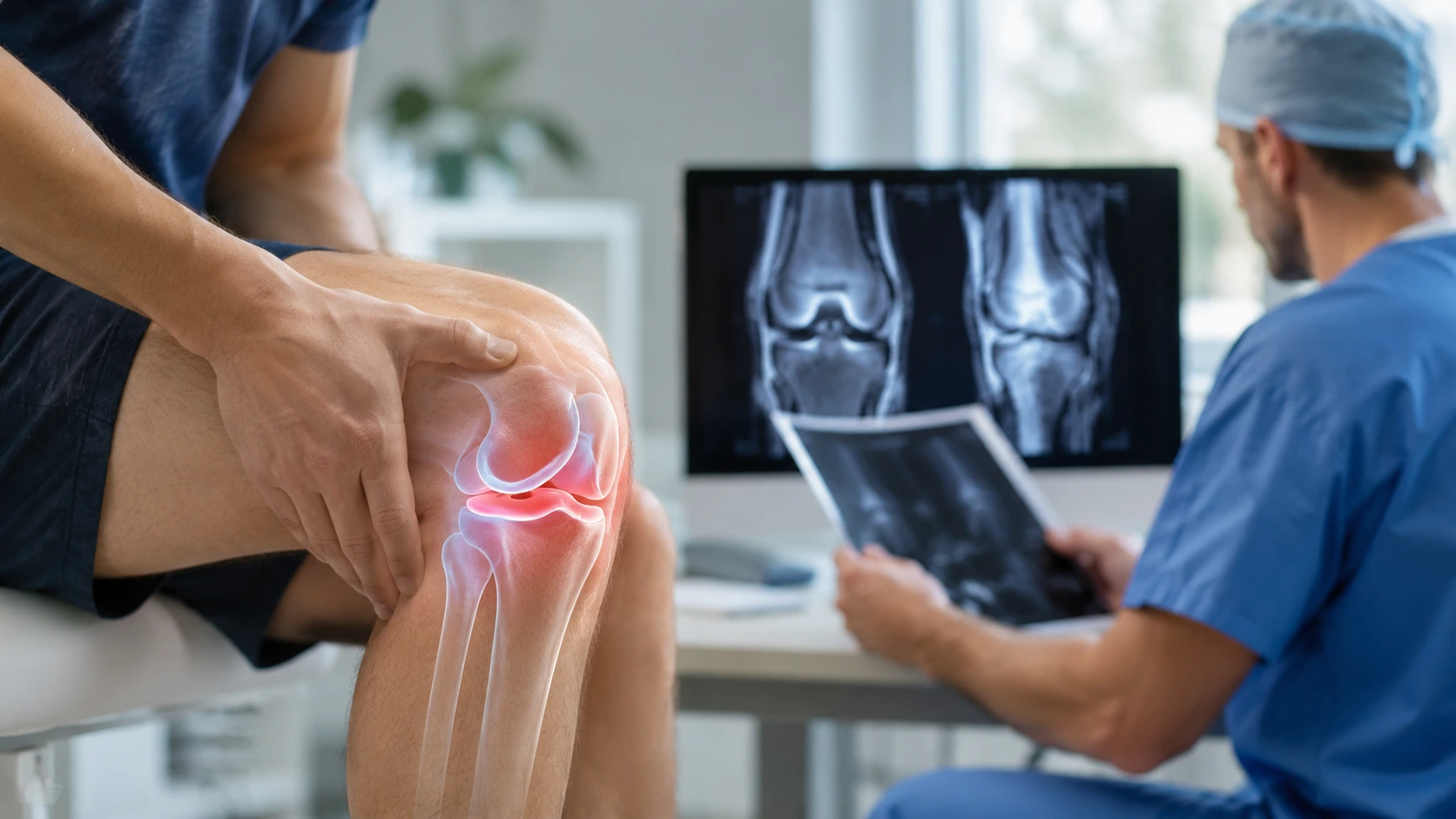 Understanding Meniscus Tears: Repair vs Removal
Learn the differences between meniscus repair and meniscus removal surgery, including tear types, healing potential, recovery expectations, and how orthopaedic surgeons decide on the best treatment approach.
Published at: Tuesday, May 19, 2026
 Frozen Shoulder: Why Recovery Takes Time and What You Can Expect
Learn why frozen shoulder can take months or even years to resolve, including the stages of recovery, common symptoms, treatment options, and when to seek specialist care.
Published at: Sunday, May 10, 2026
 Should You Delay Surgery Because of Age or Timing?
Wondering whether to delay surgery due to age or timing? Learn the risks of waiting too long versus acting too early, and how to make the right decision for your health.
Published at: Thursday, May 7, 2026
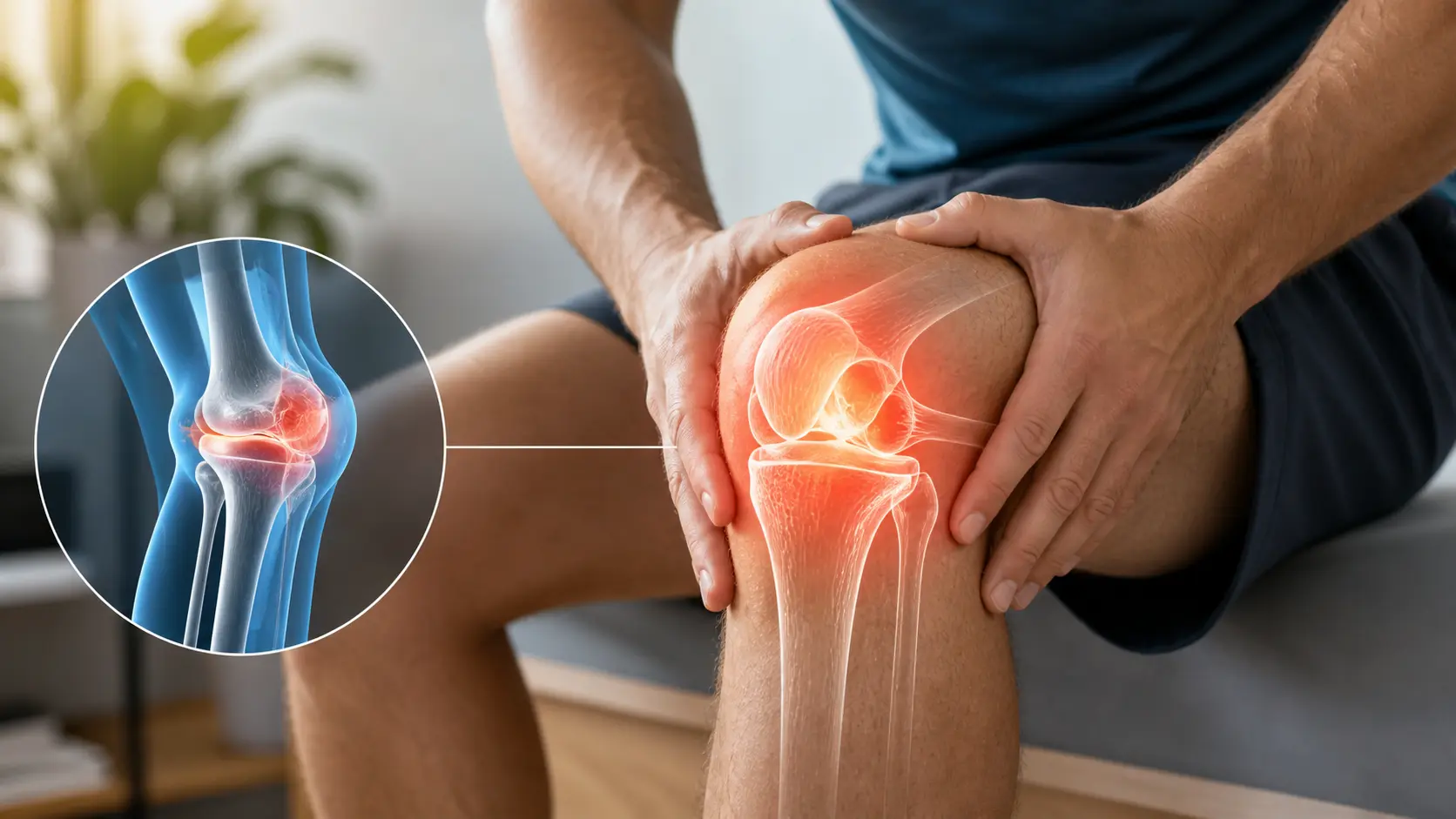 Why Knee Swelling Keeps Coming Back: Causes, Inflammation & Effective Treatment Options
Recurring knee swelling can be frustrating and painful. Learn the common causes, why fluid builds up, and the best treatment options to manage and prevent it.
Published at: Tuesday, May 5, 2026